
Have you ever thought about why your mood changes, periods become irregular and you feel so tired even after getting enough sleep? These changes are not normal. Hormones are very important in a woman’s body functions. Everything from menstrual cycles and fertility to mood, sleep, energy, and overall well being. Hormonal changes in women can affect many aspects of daily health.
Throughout life, women face many hormonal changes. This starts with puberty, menstruation, pregnancy, postpartum recovery and menopause. While many of these changes are completely natural, understanding them could help you recognize your body’s signals and take better care of your health.
In this guide you would see the most common hormonal changes in women, their symptoms, possible causes, and when it’s important to look for medical advice.
What Are Hormones and Why Are They Important for Women’s Health?
Hormones are chemicals that come out by glands in the endocrine system. They travel through the bloodstream and help to improve bodily functions.
Some of the hormones that impact women’s health are:
- Estrogen: This supports reproductive health, bone strength, skin, and menstrual cycle regulation.
- Progesterone: This helps prepare the uterus for pregnancy and supports the menstrual cycle.
- Testosterone: This focuses on muscle strength, energy, sexual desire, and complete well being.
- Insulin: Regulates blood sugar levels and energy use.
- Thyroid hormones: Help control metabolism, body temperature, and energy levels.
When hormone levels change then women notice physical, emotional, and reproductive changes. Hormonal imbalance symptoms in females may vary depending on the hormones involved.
6 Common Hormonal Changes Every Woman Should Understand
Hormonal ups and downs happen at different stages of life. Let’s understand these six common situations and how they could affect your body.
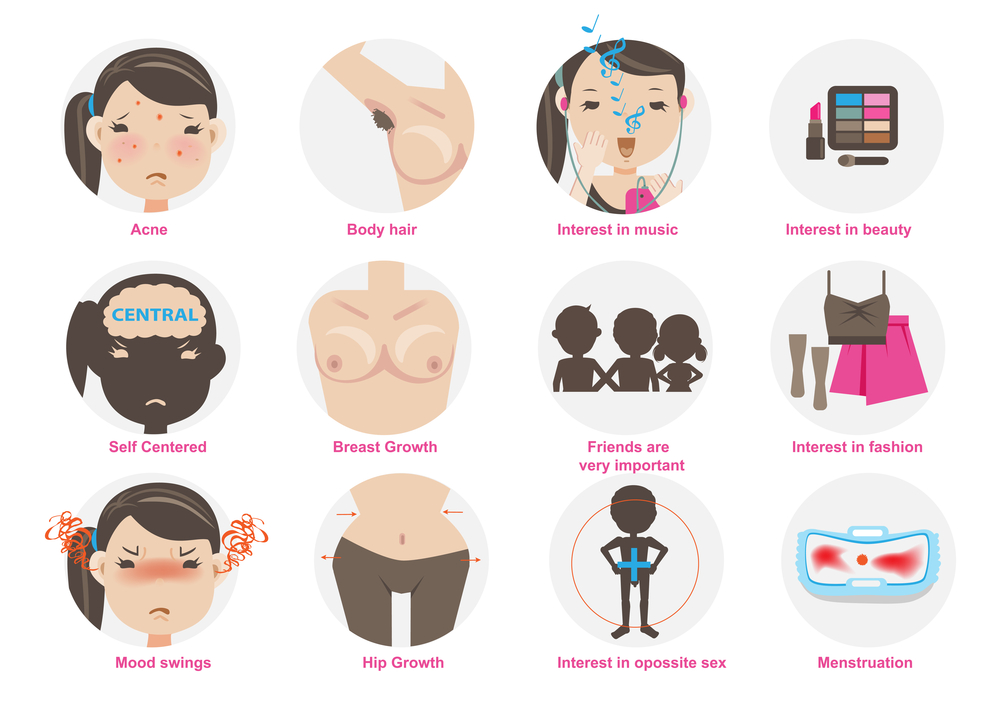
1. Hormonal Changes During Puberty
Puberty is one of the first major periods of hormonal change. As estrogen and other hormones increase, the body starts with adult reproductive characteristics.
Common changes are:
- Breast development and body hair growth.
- Starting menstrual periods.
- Increased sweating and acne.
- Emotional changes and mood swings.
- Changes in body shape and weight distribution.
These developments are generally normal. However this is early or delayed puberty would need medical evaluation.
2. Hormonal Fluctuations During the Menstrual Cycle
Hormone levels naturally rise and fall in the menstrual cycle. Estrogen and progesterone help to regulate ovulation and prepare the uterus for a possible pregnancy.
These changes could come with theses symptoms are:
- Breast tenderness.
- Bloating and abdominal pain..
- Headaches.
- Food cravings.
- Mood swings and irritability.
- Changes in energy levels.
Some women also face premenstrual syndrome (PMS), which could affect their physical comfort and emotional well being before menstruation.
Tracking your menstrual cycle and symptoms could help you understand your body’s patterns.
3. Hormonal Changes During Pregnancy
Pregnancy brings important hormonal changes to support the baby’s growth and development.
Hormones such as estrogen, progesterone, and human chorionic gonadotropin (hCG) increase during pregnancy.
These changes would lead to:
- Morning sickness and nausea.
- Fatigue and sleepiness.
- Frequent urination.
- Changes in appetite.
- Emotional sensitivity.
Every pregnancy is different, and symptoms could be considerably different. Regular prenatal checkups help monitor both maternal and baby health.
4. Hormonal Changes After Childbirth
Hormonal levels change dramatically after delivery. Estrogen and progesterone drop and prolactin supports breast milk production in breastfeeding mothers.
Women would face these:
- Temporary mood changes.
- Increased hair shedding.
- Breast fullness and tenderness.
- Changes in menstrual cycles.
- Fatigue and sleep disturbances.
Although mild emotional changes after childbirth could be common, continuous sadness, anxiety, hopelessness or difficulty bonding with your baby would show postpartum depression. Look for professional support rather than ignoring these symptoms.
5. Hormonal Changes During Perimenopause
Perimenopause is the transformation period leading up to menopause. This happens during the 40s and the timing is always different.
During this stage, estrogen and progesterone levels fluctuate, making menstrual cycles less predictable.
Common symptoms are:
- Irregular or missed periods.
- Night sweats.
- Sleep difficulties.
- Mood changes and irritability.
- Reduced sexual desire.
- Vaginal dryness.
Understanding perimenopause could help women prepare for this natural transition and explore right treatment options.
6. Hormonal Changes During Menopause
Menopause is a natural stage of life when menstrual periods stop permanently. It is generally confirmed after 12 consecutive months without a period.
As estrogen production decreases, women may face these:
- Hot flashes.
- Night sweats.
- Vaginal dryness.
- Sleep problems.
- Changes in mood and concentration.
- Reduced bone density.
Although menopause is a natural process, its symptoms could affect everyday life. Medical guidance could help women explore ways to manage discomfort and protect long-term health.
What Are the Signs of Hormonal Imbalance in Women?
Hormonal changes are normal but unusual symptoms would show an underlying health concern.
Some common warning signs are:
- Sudden weight changes.
- Irregular or unusually heavy periods.
- Continuous acne or excessive facial hair.
- Hair thinning or hair loss.
- Frequent mood changes.
- Difficulty sleeping.
- Changes in sexual desire.
Conditions such as polycystic ovary syndrome (PCOS), thyroid disorders and other endocrine conditions would contribute to these symptoms. Keeping these symptoms alone could not confirm a hormonal imbalance. A proper medical checkup is important to identify the underlying cause. How to cure hormonal imbalance in females depends on identifying and addressing the underlying cause.
How Can Women Maintain Better Hormonal Health?
You could obviate natural hormonal changes. Healthy daily habits could support overall well-being.
Understand these practical steps:
- Eat a balanced diet like fruits, vegetables, whole grains, healthy fats, and protein.
- Exercise Daily like walking, yoga, strength training and other physical activities support general health.
- Focus on a regular sleep schedule and enough rest.
- Manage stress: Try meditation, breathing exercises, or activities that you enjoy most.
- Take records of your periods: Record menstrual patterns and sudden symptoms.
- Do take regular checkups and discuss symptoms with a qualified healthcare professional.
- Stop taking hormonal supplements or medications without right medical advice. Hormonal imbalance treatment may vary based on the diagnosis. Avoid using Hormonal imbalance supplements without professional guidance.
Conclusion :
Hormonal changes are very important part of every woman’s life. From puberty and menstrual cycles to pregnancy and menopause, these changes make an impact on physical health and emotional well-being.
Understanding what is normal for your body and getting to know about when it needs medical attention. Healthy lifestyle choices, regular health checkups and timely professional guidance could make meaningful changes in your life.
Your health deserves attention at every stage of life. If you are facing unusual symptoms or have concerns about hormonal changes, connect with our women’s healthcare team at Wellspring Family Clinic. Visit our About Us page to learn more about our care. Whether you are looking for a Family medicine doctor near me or a trusted family care clinic, explore our women’s health services or contact us today to schedule a consultation and receive guidance to your needs.
Frequently Asked Questions
What are the most common hormonal changes in women?
Common hormonal changes happen during puberty, menstruation, pregnancy, postpartum recovery, perimenopause, and menopause. These changes could affect periods, mood, sleep, energy, and reproductive health.
What are the signs of hormonal imbalance in women?
Common signs like irregular periods, unexplained weight changes, acne, hair loss, fatigue, mood swings, sleep problems, and changes in sexual desire. A healthcare professional could help to identify the root cause.
At what age do hormonal changes start in women?
Hormonal changes generally begin during puberty This is between ages 8 and 13. They continue throughout reproductive life and change again during pregnancy and the transition to menopause.
How can women maintain hormonal health naturally?
Women could support complete hormonal health through balanced nutrition, regular exercise, sufficient sleep, stress management and routine medical checkups. Persistent symptoms should be discussed with a healthcare professional.
When should I see a doctor for hormonal changes?
Take a consult with a doctor if you face these irregular periods, heavy bleeding, unexplained fatigue, right mood changes or other concerning symptoms. Any bleeding after menopause should be checked immediately.