
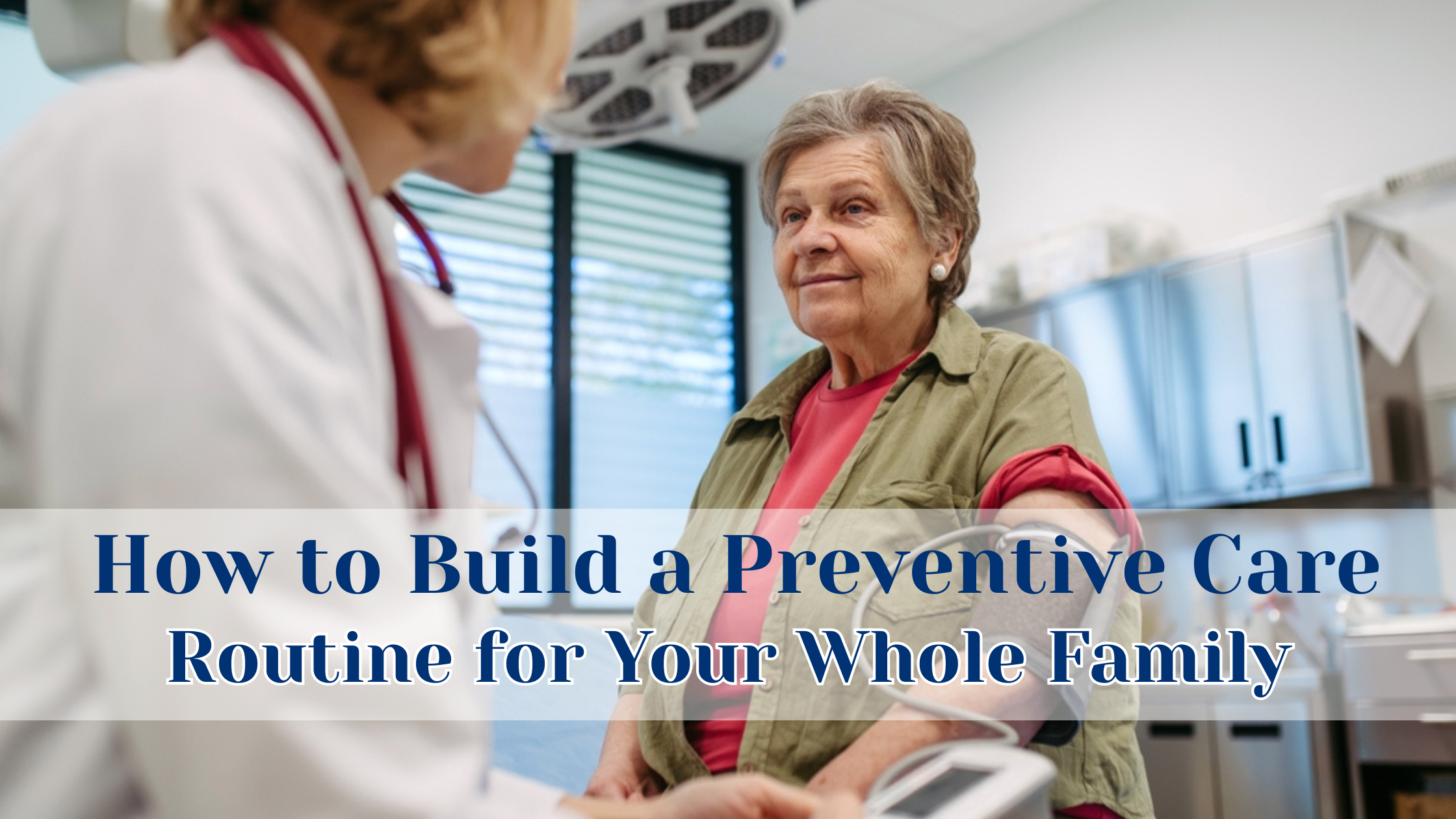
Keeping your family healthy is more than treating illness after symptoms appear. A well-planned preventive care routine could help identify concerns early, maintain healthy habits, and make sure everyone receives appropriate care at different stages of life. If you are looking for Preventive Care in OK or Preventive Care in Oklahoma, understanding the basics could help you make informed decisions about your family’s healthcare.
Preventive healthcare would include routine medical visits, recommended vaccinations, preventive health screenings, dental care, vision and hearing assessments, developmental monitoring, mental health support, and lifestyle guidance. These Preventive care services could be different according to age, medical history, risk factors, and current healthcare suggestions.
Finding time for appointments could be challenging when work, school, childcare, and other responsibilities compete for attention. A simple system could make preventive healthcare easier to manage. The goal is not to create a complicated plan, but to organize appointments, maintain health records, and build a relationship with qualified healthcare professionals.
What Preventive Care for Families Actually Means—and Why Most Families Skip It
Preventive care focuses on maintaining health, reducing certain risks, and identifying some health concerns before they become more serious. Depending on individual needs, it would include:
- Routine primary care and routine health checkups
- Suggest vaccinations
- Age based screening tests
- Dental examinations and preventive oral care
- Vision and hearing checks when needed
- Developmental and behavioral assessments
- Blood pressure, cholesterol, or diabetes screening when needed
- Mental health screening and support
- Nutrition, physical activity, sleep, and safety guidance
An Annual health checkup or Wellness exams would be perfect for some people, but preventive care is not identical for everyone. The services and timing recommended for one person could differ from those for another.
Families may postpone appointments because nobody feels sick. Busy schedules, transportation, cost, limited availability, or uncertainty about which services are needed could make preventive healthcare difficult.
Another misconception is that one annual appointment automatically covers every preventive need. Some services need separate dental visits, vaccinations, screening appointments, or specialist care.
If you are searching for Preventive Care near me, focus on finding a qualified healthcare provider who could understand your individual needs rather than choosing services based solely on a generic checklist.
A better approach is to make prevention part of your family’s normal routine. Scheduling appropriate care before problems become urgent could make healthcare more manageable and proactive.
Start Here: Your Family Health History Is the Foundation
Your family health history could give valuable information about conditions that would affect relatives. Diseases such as heart disease, diabetes, certain cancers, high blood pressure, osteoporosis, and inherited disorders would happen more frequently within families.
Create a simple record containing:
- Names and relationships of close relatives
- Major medical conditions
- Age when important conditions were diagnosed
- Causes and ages of death, when known
- Known genetic conditions
- Repeated health concerns within the family
- Pregnancy or birth complications
- Relevant mental health history, when appropriate
Ask relatives respectful questions and store the information securely in a notebook, digital health record, or other private system. Update it when important new information becomes available.
Share significant family history information with your healthcare professional. It would help them determine whether particular screenings, earlier monitoring, or genetic counseling could be appropriate.
Avoid interpreting inherited risk yourself. Having a condition in your family does not mean that you would necessarily develop it. A qualified clinician or genetic counselor could explain what the pattern may mean and whether additional checkups are right.
Preventive Care by Age: What Every Family Member Needs
Preventive healthcare should be personalized, but different life stages have different priorities. Understanding preventive care by age could help families discuss appropriate services with their healthcare professionals.
Babies and Young Children
Infants and children need regular well-child visits to monitor growth, development, nutrition, behavior, and immunizations. Depending on age and circumstances, appointments may deal with :
- Developmental progress
- Hearing and vision
- Oral health
- Nutrition and feeding
- Sleep
- Injury prevention
- Lead exposure, anemia, or other screening when indicated
- Behavioral or developmental concerns
Follow the vaccination schedule advised by your child’s pediatrician and the right public health authority. Dental care should begin early. Children should generally have their first dental visit by their first birthday, with ongoing care based on recommendations from a dental professional.
Parents could also discuss preventive health screenings by age with their child’s healthcare to understand which checkups would be right at different developmental stages.
Teenagers
Adolescence is an important period for developing independent health habits. Preventive visits would tackle:
- Physical growth and puberty
- Recommended immunizations
- Nutrition and physical activity
- Sleep
- Mental health and stress
- Substance use risks
- Sexual health and healthy relationships
- Vision or hearing concerns when appropriate
Teenagers may benefit from having an opportunity to speak privately with a healthcare professional about sensitive concerns. Parents could remain supportive while respecting appropriate confidentiality and safety requirements.
Adults
Adults could benefit from preventive healthcare even when they feel healthy. Depending on individual circumstances, services may include:
- Blood pressure assessment
- Recommended cancer screening
- Cholesterol or diabetes screening when needed
- Routine and seasonal vaccinations
- Nutrition and physical activity counseling
- Tobacco and alcohol use support
- Reproductive and sexual healthcare
- Dental examinations
- Vision care when indicated
- Mental health support
Healthcare would explain which Preventive health screenings are suitable based on age, family history, and other risk factors. Screening schedules are not universal, so adults should avoid assuming that every available test is important.
Older Adults
Older adults would need additional attention to:
- Falls and mobility
- Bone health
- Medication safety
- Hearing and vision
- Cognitive or functional changes
- Recommended vaccinations
- Appropriate cancer screening
- Nutrition and physical activity
- Emotional and social well-being
People searching for preventive care for seniors should remember that older adult healthcare should be individualized. A person’s existing conditions, medications, functional status, preferences and overall health could influence which preventive services are right.
Medication reviews could be particularly valuable for people taking several prescriptions, to manage medicines, or supplements. Never stop or change prescribed treatment without discussing it with the relevant healthcare professional.
The Preventive Care Category Most Families Miss: Mental Health
Mental health deserves a place in every family’s healthcare plan. Children, teenagers, adults, and older adults could experience anxiety, depression, grief, chronic stress, burnout, trauma, or other emotional difficulties.
Include mental well-being in your routine by:
- Talking regularly about mood and stress
- Noticing persistent changes in sleep or behavior
- Paying attention to school, work, or relationship difficulties
- Creating a supportive environment where asking for help feels safe
- Seeking professional support when problems persist or affect daily life
- Learning how to recognize signs of a mental health crisis
Mental health screening recommendations vary according to age and clinical circumstances. Discuss concerns with qualified healthcare professionals rather than relying on just online screening tools alone.
If someone expresses thoughts of suicide, self-harm, or harming another person, seek immediate support through local emergency services or an appropriate crisis resource.
Mental health is an important part of family health care, and making conversations about emotional well-being normal could encourage family members to seek help earlier.
How to Choose a Provider Who Can Care for Your Whole Family
Your family’s healthcare team would be family physician, pediatrician, nurse practitioner, dentist, and mental health professional. A complete care team could make preventive healthcare easier for everyone.
Keep these points in mind while looking for preventive care :
- Health care must be experienced with your family’s age groups
- Appointment availability
- Location and accessibility
- Payment or insurance options
- Telehealth availability
- Communication style
- Language accessibility
- After-hours guidance
- Approach to preventive care
Families in Oklahoma would choose a local practice such as Wellspring Family Clinic when looking for healthcare options that support ongoing family needs. Before selecting any clinic, first check out to confirm current services, availability, accepted insurance, and whether the practice is right for your family’s specific healthcare needs.
If you need help finding preventive care for families near me, understand factors beyond convenience. Look for qualified professionals who communicate clearly, maintain accurate medical records, and coordinate referrals when necessary.
Building the Routine: Practical Steps to Keep Your Family’s Preventive Care on Track
1. Create a Master Health Calendar
Use a calendar for medical visits, dental appointments, vaccinations, screenings, and medication renewals. Set reminders early to arrange transportation, childcare or time away from work.
2. Keep Important Records Together
Maintain current records of immunizations, medications, allergies, diagnoses, test results, healthcare contacts, insurance information, emergency contacts, and family health history. Keep sensitive information secure.
3. Schedule Around Existing Routines
School holidays, birthdays, or a particular month each year may give you convenient opportunities for appointments. Combine suitable visits when practical, but each person receives enough time for individual concerns.
4. Prepare Questions in Advance
Before appointments, note changes involving symptoms, sleep, mood, diet, activity, medications, or family history. Bring an updated list of prescription medicines and supplements.
5. Make Healthy Habits a Household Practice
Support preventive healthcare through everyday habits such as:
- Eating a balanced diet
- Stay physically active
- Getting enough sleep
- Maintain good oral hygiene
- Using sun protection when needed
- Stopping tobacco and secondhand smoke
- Wearing seat belts
- Maintaining supportive relationships
Small, consistent habits are generally easier to maintain than unrealistic lifestyle changes.
6. Review the Plan Once a Year
Review each family member’s preventive needs annually. Focus on the plan of major events such as pregnancy, a new diagnosis, relocation, medication changes, or changes in family health history.
If you receive care locally, keep a record of recommended preventive care services and upcoming appointments so you can understand your health issues.
Your Family’s Health Starts Before Anyone Gets Sick
A preventative care routine for your whole family does not really need to be super complicated. Start with family health history, timely appointments, follow recommended vaccinations, think about age-specific screening, and stay mindful about mental health.
If you are looking for Preventive Care in Oklahoma, or trying to compare nearby healthcare options, or even searching for preventive care near me. The biggest step is picking care that matches each person’s own individual needs.
When prevention becomes part of everyday family life, healthcare gets easier to understand, and the important concerns are less likely to get ignored. The goal is not to do every single possible test. It is more about helping each family member get the right kind of care. Understand their health needs and make the right choices.
Frequently Asked Questions
1. What does preventive care include?
Preventive care like checkups, vaccinations, screenings, dental services, mental health support, and healthy lifestyle guidance to individual age, risks, medical history, and needs.
2. When should children begin preventive healthcare?
Children need regular well-child visits from infancy, like growth monitoring, developmental reports, vaccinations, and right screening. Dental care should begin early and from qualified pediatric and dental professionals.
3. Do healthy adults need preventive checkups?
Yes, healthy adults could benefit from preventive healthcare because some conditions have no noticeable symptoms. Appropriate screenings, vaccinations, and risk assessments depend on individual circumstances and current guidelines.
4. Why should families document their health history?
A documented family history could help healthcare professionals recognize patterns involving inherited or familial conditions. This information would influence decisions about screening, monitoring, counseling, or additional checkups.
5. How can busy families stay consistent?
Busy families could use shared calendars, early reminders, organized health records, and annual appointment reviews. Simple routines make preventive care easier to maintain despite changing schedules.