
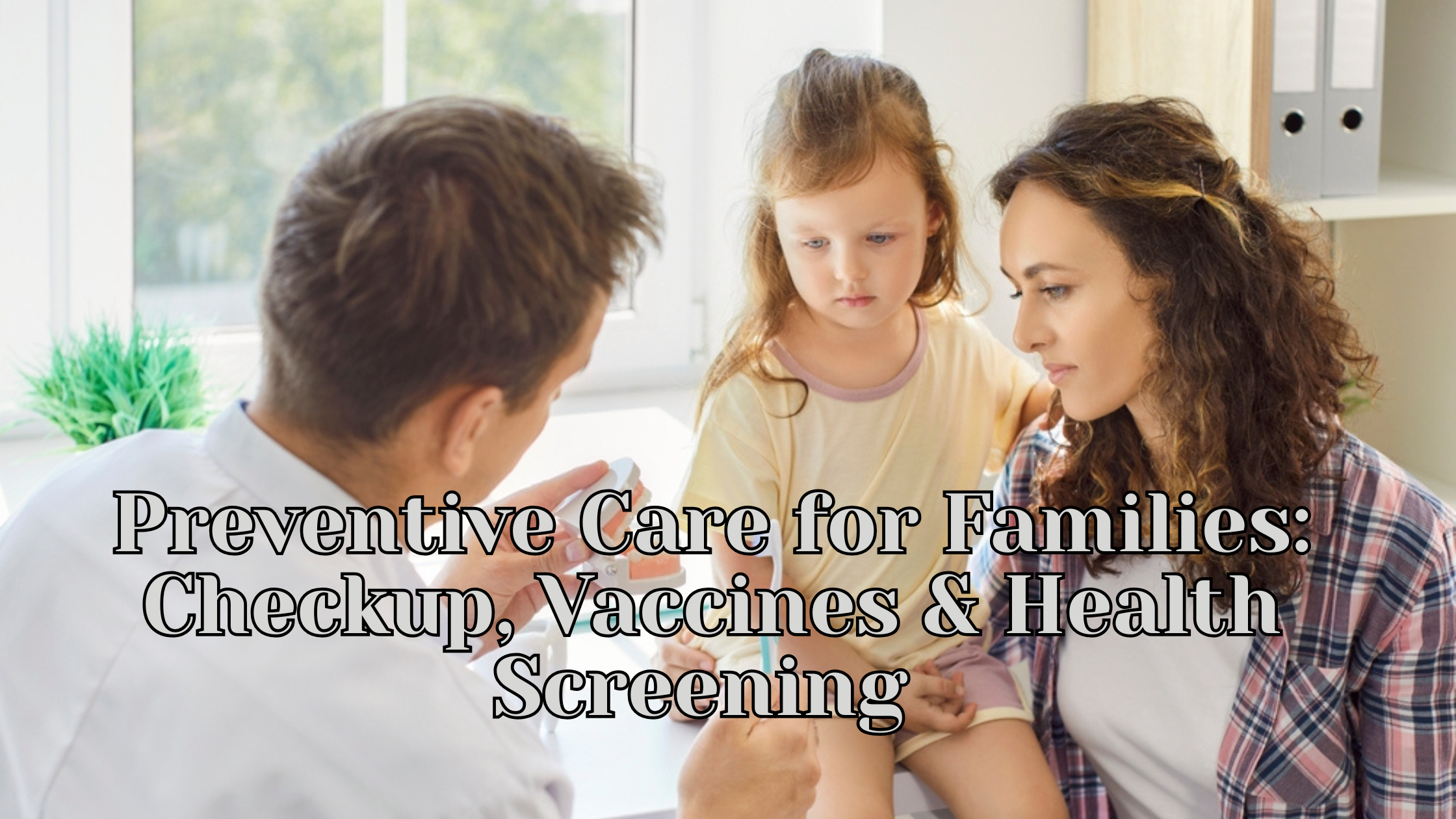
Good family health starts with prevention. Instead of waiting for symptoms to come out. Preventive healthcare helps families monitor their well-being, identify certain health concerns early, and make informed choices about lifestyle and medical care. From wellness visits and vaccinations to age-based screenings and healthy daily habits, prevention could support better health throughout life.
For families in Broken Arrow and surrounding communities, having an established primary healthcare provider could make it easier to manage ongoing healthcare needs. Wellspring Family Clinic gives information about primary and preventive healthcare for patients at different stages of life.
What Preventive Care Means for Your Family
Preventive Care for Families generally involves healthcare services and habits that help maintain wellness or identify certain health conditions before they become more difficult to manage.
Examples of Preventive Health Care could include:
- Wellness examinations
- Recommended vaccinations
- Blood pressure checks
- Age based screenings
- Mental health assessments
- Dental and vision care
- Nutrition and lifestyle guidance
Preventive suggestions are not identical for everyone. Age, sex, medical history, family history, pregnancy status, existing conditions, and individual risk factors could influence which services are right.
A healthcare professional could help each family member develop a plan based on current clinical recommendations rather than relying on a general online checklist.
Keeping Children on Track With Healthy Development
Children’s preventive care involves more than physical growth. Pediatric visits could give opportunities to discuss development, nutrition, sleep, physical activity, behavior, learning, safety, and immunizations.
Parents should share ongoing concerns with their child’s healthcare provider, particularly when they notice persistent changes in development, behavior, appetite, sleep, hearing, vision, or school performance.
Vaccinations are another important component of childhood prevention. Families should follow the immunization schedule recommended for their child and ask a healthcare professional about catch up vaccination if doses have been missed.
Oral health also deserves attention from an early age. Daily brushing, right fluoride use, and professional dental care could help children establish healthy habits and reduce the likelihood of dental problems.
Creating Healthier Habits at Home
Medical appointments are only one part of maintaining family wellness. Everyday choices could also influence long-term health. Offer children a variety of nutritious foods, including fruits, vegetables, whole grains, protein sources, and needed calcium-rich foods. Encourage water instead of frequently choosing sugary beverages. Physical activity could be incorporated through activities that children enjoy, such as walking, cycling, swimming, dancing, sports, or outdoor play. Adults could participate too, turning exercise into shared family time. Sleep is another important part of a healthy routine. Consistent bedtime habits and an environment that supports sufficient sleep could help children maintain healthy daily functioning.The most sustainable changes are often simple ones that families could continue over time.
Understanding Health Screenings by Age
People search for health screenings by age when trying to understand which tests they or their family members may need. However, age is only one consideration.
Screening decisions could also depend on sex, personal medical history, family history, lifestyle, previous results, and specific risk factors.
For example, the U.S. Preventive Services Task Force recommends screening adults for high blood pressure and recommends colorectal cancer screening for average risk adults beginning at age 45. Other preventive services have different eligibility criteria.
This is why screening should be personalized. A healthcare professional could explain which tests are suitable and how frequently they should be taken..
Preventive Services for Parents and Adults
Parents frequently prioritize their children’s appointments while delaying their own. Adults need preventive attention too.
Depending on individual circumstances, Preventive Health Services would include assessments related to blood pressure, diabetes risk, cardiovascular health, immunizations, mental health, reproductive health, and certain cancers.
Family medical history is particularly useful when checking prevention. Tell your healthcare about illnesses affecting close relatives, especially conditions that happened at younger than expected ages.
Adults should also review their medications, supplements, tobacco exposure, alcohol use, nutrition, physical activity, and other factors that would affect their health.
Reducing Everyday Infection Risks
Families could take practical steps to reduce the spread of many infections.
Handwashing with soap and water, covering coughs and sneezes, safe food preparation, right vaccination, and following healthcare guidance when someone is sick could all contribute to a healthier household.
These habits are generally important when a family includes young children, older adults, or individuals who may have a higher risk of complications from certain infections.
Looking After Mental and Emotional Well-Being
Preventive healthcare should consider emotional health as well as physical health. Children and adults could experience stress, anxiety, sadness, grief, academic pressure, work-related challenges, or major changes at home. Open communication could make it easier for family members to express concerns and seek appropriate support.
Persistent changes in mood, sleep, appetite, behavior, school performance, work performance, or social relationships would warrant a conversation with a qualified healthcare professional. Mental health screening would also be recommended for certain age groups and circumstances as part of evidence-based preventive care.
Finding Preventive Care in Broken Arrow
Families searching for Preventive Care Broken Arrow would benefit from choosing a primary care practice that could help coordinate preventive needs over time. Family Preventive Care could include wellness visits, immunization reviews, appropriate screenings, lifestyle discussions, and follow-up when a concern needs additional evaluation. For people looking for a Family Clinic in Oklahoma, Wellspring Family Clinic gives information about primary and preventive healthcare services in Broken Arrow.
Making Routine Prevention Easier
Keeping track of routine health screenings does not have to be hard. A shared family health calendar could help you remember wellness appointments, vaccinations, dental visits, and recommended follow-ups. Before an appointment, prepare a list of medications, allergies, relevant family history, previous test results, vaccination records, and questions you want to discuss. The right preventive health screenings should be based on individual needs rather than the assumption that everyone needs the same tests.
Take a Proactive Approach to Family Health
Prevention is an ongoing process. Regular healthcare visits, suggested immunizations, healthy routines, and the right screenings could help families stay informed about their health and understand certain concerns at an earlier stage. If you are not sure which preventive services are right for yourself or your children, speak with a qualified healthcare professional. A personalized method could help your family focus on the care that is relevant to your individual health needs. For families in and around Broken Arrow, Wellspring Family Clinic Preventive Care gives information about available preventive care services.